Best Time to Visit Bandhavgarh: Complete Seasonal Guide
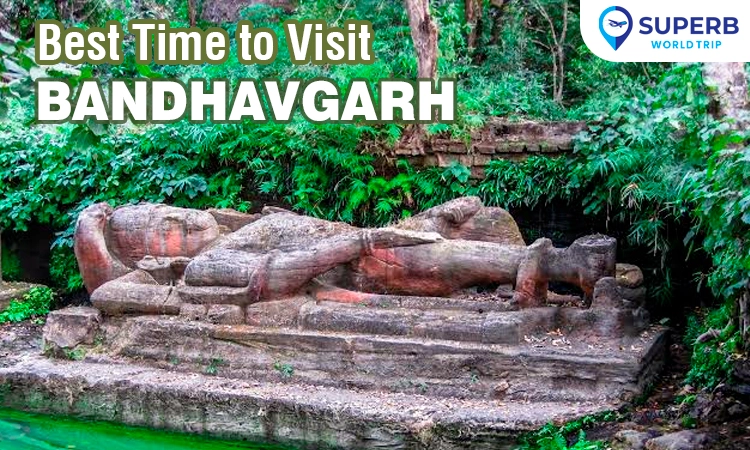
Bandhavgarh National Park is one of the most renowned places to see wildlife, renowned for its abundance of Royal Bengal Tigers and breathtaking natural beauty.
In the Vindhya Hills region of Madhya Pradesh, the park draws thousands of wildlife enthusiasts, birdwatchers, photographers, and nature enthusiasts each year.
In addition to its amazing tiger population, Bandhavgarh is also home to sloth bears and leopards, as well as barking deer, sambar, wild boars, langurs, and over 250 bird species. The old Bandhavgarh Fort, hidden within the forest, adds historic charm to any visit.
The park is a great place to enjoy unforgettable experiences during the safari season; selecting the ideal moment can dramatically enhance your experience.
The weather conditions and animal movements, as well as vegetation and safari comfort, can vary between seasons. Many visitors come for the comfort; some prefer warmer seasons for better tiger viewing.
We’ll help you discover the ideal timing to go to Bandhavgarh National Park, the conditions in every season, and the best months for wildlife viewing, as well as helpful travel tips to ensure your visit is unforgettable.
Best Time to Visit Bandhavgarh National Park
The ideal season to go to Bandhavgarh National Park is from October through March. The conditions are pleasant and make the afternoon and morning safaris enjoyable.
The forest becomes lush after the monsoon. Wildlife remains active, and the overall experience is enjoyable for guests of all ages.
If your main goal is to see the Royal Bengal Tiger, many experts in wildlife recommend scheduling your trip in April or June.
While temperatures are generally more extreme, animals are often spotted close to water sources, increasing chances of spotting them.
Here’s a quick overview:
- The weather is pleasant from October through March
- Best tiger sightings: April to June
- Park closed from July to September (during the monsoon)
Bandhavgarh in Winter (October to March)
Winter is regarded as the most popular time when it comes to visiting Bandhavgarh National Park. The cool, crisp mornings, warm afternoons, and warm evenings are perfect for long safaris.
The forest is fresh following the monsoon. The clear weather enhances the visibility of meadows and grasslands.
Deer are often seen wandering through open areas, with leopards moving between the treetops, as well as numerous birds in the park’s lakes.
This time of year is perfect for couples, families, or first-time visitors who wish to go on safaris with wildlife without the hassle of extreme temperatures.
Weather
- Temperature: 8°C to 28°C
- Cool evenings and cool mornings
- Good afternoon
Why Visit During Winter?
- The weather is pleasant for jeep safaris.
- Fantastic photography of wildlife.
- The best time to birdwatch.
- For families as well as seniors.
- Gorgeous green landscapes following the monsoon.
Bandhavgarh in Summer (April to June)
The summer months may not be the most relaxing season due to the increasing temperatures; however, it is often thought of as the best time to enjoy wildlife sights.
As the temperatures get hotter, the natural water sources start to shrink. Wildlife, such as tigers, deer, leopards, and wild boars, frequently visit waterholes in the area to drink, which makes them more visible on safaris.
Morning safaris tend to be more relaxed than afternoon safaris. Many experienced wildlife photographers opt to go on safari during the morning because of the increased chance of seeing large cats.
Weather
- Temperature: 25°C to 42°C
- Hot afternoons
- The warm mornings are here
Why Visit During Summer?
- More likely to spot tigers.
- Animals congregate near water sources.
- Fantastic opportunities for wildlife photography.
- There are fewer tourists during wintertime.
Travel Tips
- Pick an early start for your safaris.
- Wear lightweight cotton clothes.
- Drinking water is essential.
- Wear sunscreen, sunglasses, and a sun hat.
Bandhavgarh in Monsoon (July to September)
Bandhavgarh National Park remains closed during monsoon season, typically from July through September.
Heavy rain makes some forest roads extremely difficult to navigate and is crucial for the ecosystem of the park.
The temporary closure of the roads allows the trees to grow and create an environment that is peaceful, which wildlife can enjoy during breeding seasons.
While safaris aren’t available, the area surrounding it becomes beautiful and lush after the rains. If you’re already in Madhya Pradesh, you can still take in the natural beauty surrounding Bandhavgarh. However, it’s recommended to plan your safari when the park opens again in October.
Weather
- Temperature: 22°C to 32°C
- Moderate to heavy rain
- High humidity
Why Does the Park Close During Monsoon?
- The protection of wildlife is essential during the breeding season.
- Helps to restore forest roads and tracks for safaris.
- Lets new vegetation allow new plants to grow.
- Improves the safari experience when the park is reopened.
Month-by-Month Guide to Visiting Bandhavgarh
What can you expect throughout the year?
October
October is the time to begin the safari season following the monsoon. The forest is lush, the weather is mild, and the wildlife gradually gets more active.
Best For:
- First-time visitors
- Nature lovers
- A comfortable safari
November
November has a wonderful weather pattern as well as clear and bright skies. Fresh greenery and moderate temperatures make November one of the most enjoyable months to travel.
Best For:
- Families
- Photography
- Safaris in the wild
December
Cool mornings and cool afternoons make for perfect conditions to explore the park.
Best For:
- Birdwatching
- Photography of wildlife
- Family vacations
January
January is one of the most popular months to visit Bandhavgarh. The wildlife is active all day, and the climate is suitable for long safaris.
Best For:
- Families
- Couples
- Nature lovers
February
The mild weather continues to prevail, which makes February a perfect month for wildlife enthusiasts.
Best For:
- Jeep safaris
- Photography
- Birdwatching
March
The temperature begins to rise, and animals are more visible as vegetation begins to diminish.
Best For:
- Wildlife enthusiasts
- Tiger photography
April
The summer season is here, and wildlife activity around waterholes increases significantly.
Best For:
- Tiger sightings
- Serious professional wildlife photographers
May
May is among the hotter months, but it also offers the best chances to see Tigers.
Best For:
- Tiger lovers
- Expertly-trained safari travelers
June
The first half of June is hot and humid before the monsoon arrives.
Best For:
- Wildlife enthusiasts
- Budget-conscious travellers
July to September
The park is closed due to the monsoon.
Best Time for Tiger Sightings
Bandhavgarh is renowned for its healthy tiger population, and many visitors come here hoping to spot the magnificent Royal Bengal Tiger.
The best time to have tiger sightings is in April through June due to the following:
- Water sources are becoming scarce.
- The tiger is often seen in streams and ponds.
- Dry vegetation increases visibility.
- Safaris in the morning and evening are often full of rewarding wildlife views.
While tiger sightings cannot be assured, travelling in the summer months typically increases your chances of seeing tigers.
Best Time for Birdwatching
If you’re interested in birds, you should plan your trip between November and February.
Bandhavgarh is the home of more than 250 species of birds, and winter brings a variety of migration-prone birds, making it among the most enjoyable seasons to birdwatch.
The most frequently seen birds are the following:
- Crested Serpent Eagle
- Indian Pitta
- White-rumped Shama
- Paradise Flycatcher
- Green Bee-eater
- Kingfisher
- Peafowl
- Hornbill
Morning safaris provide the best birdwatching opportunities as well as photography.
Best Safari Zones in Bandhavgarh
Bandhavgarh National Park has several areas for safari, each of which offers a unique experience with wildlife.
Tala Zone
The most renowned and oldest region for safaris, Tala is known for its high tiger population and stunning landscapes, as well as the historical Bandhavgarh Fort.
Magadhi Zone
Magadhi is another well-known area where you can be sure to spot deer, tigers, leopards, and other species of wildlife.
Khitauli Zone
This is a great spot for travellers looking for peace in their safari. The area is renowned for its wildlife and occasional leopard sightings.
If this is your first time visiting, Tala Zone is often preferred due to the excellent chances to see wildlife.
Safari Timings
Safari timings can vary slightly based on the time of year and sunrise and sunset times.
| Safari | Approximate Timing |
| Morning Safari | 6:00 AM – 10:00 AM |
| Afternoon Safari | 2:30 PM – 6:00 PM |
Morning safaris usually have cooler temperatures and a lot of active wildlife, whereas afternoon safaris can be enjoyable during the summer months when animals are at the water sources.
Where to Stay Near Bandhavgarh
The majority of people stay within Tala Village, located close to the main entrance to the National Park.
Options for accommodation include:
- Luxury jungle resorts
- Mid-range lodges for wildlife
- Budget hotels
- Family stay at home
For the most enjoyable experience, consider staying for 2 to 3 days to enjoy several safaris in different areas.
Useful Travel Tips
Before you visit Bandhavgarh, keep these suggestions in mind:
- Make sure you book your safari permits in advance, particularly during holidays and weekends.
- You must carry a valid government-issued photo ID.
- Choose neutral colours like brown, green, or beige.
- Be careful not to make loud noises during your safari.
- Bring binoculars with you if you like watching birds.
- Bring a camera equipped with zoom lenses to capture wildlife.
- Follow the instructions of your guide throughout the safari. Follow your guide’s directions throughout.
- Do not bring garbage bags filled with plastic into the park.
Conclusion
Bandhavgarh National Park is one of the top locations in India to see wildlife in its natural habitat. You may be hoping to spot a Royal Bengal tiger, photograph exotic birds, or take in the tranquillity in the forests; picking the right time of year will make your visit more satisfying.
For the majority of travellers, between October and March is the best time to go on safari due to the mild weather and pleasant safari conditions.
If, however, you are looking for tiger sightings as your top priority, April through June is the ideal time to go despite the warm temperatures.
Whatever time you decide to visit, Bandhavgarh promises an unforgettable wildlife adventure filled with excitement, nature, and unforgettable moments.
Frequently Asked Questions (FAQs)
1. Which month is the most suitable to go to Bandhavgarh National Park?
November to February are considered the best time of year due to the warm weather and relaxing safari conditions.
2. When are tiger sightings most common?
The appearance of tigers is more frequent during June and April, when wildlife gathers around water sources.
3. Does Bandhavgarh National Park open throughout the entire year?
No. The park usually closes from July through September, during the monsoon season.
4. How many safaris should I reserve?
At least two safaris are advisable to increase the chances of seeing wildlife and visiting different safari areas.
5. Which is the best safari area?
Tala Zone is one of the most sought-after areas due to its density of tigers and beautiful landscapes.
6. Is Bandhavgarh appropriate for families?
Yes. Winter is the most enjoyable season for families due to the warm temperatures and an enjoyable safari experience.
7. What is the best outfit to wear on the safari?
Dress comfortably in neutral colors such as olive brown, green, or beige. Avoid bright colours.
8. Apart from tigers, which other creatures can I spot?
You can spot the sloth bears and leopards, deer, sambar, barking deer, nilgai, wild boars, langurs, and jackals, as well as a wide variety of birds.
Read similar content
Latest Post

15 Best Places to Visit in Georgia: Places You Should Not Miss

Best Places to Visit in Australia: Should Add to Your Travel List

15 Best Places to Visit in Greece: Should Not Miss
Best Places to Visit in Sri Lanka: 15 Beautiful Places to Add to Your Itinerary

Best Places to Visit in Switzerland: 15 Beautiful Places You Should Not Miss

Best Train Journeys in India: Scenic Routes to Explore

Best Places for Stargazing in India: Top Spots to Visit

Best Places for Paragliding in India: Top Destinations

Best Places for Scuba Diving in India: Top Spots to Explore

How to Reach Spiti Valley: By Road, Train & Air

How to Reach Badrinath: By Road, Train & Air

How to Reach Lakshadweep: By Flight and Ship

How to Reach Kedarnath: By Road, Train & Helicopter

How to Reach Andaman and Nicobar Islands

15 Top Places to Visit in Matheran: Viewpoints, Lakes & More
15 Top Places to Visit in Jhansi: Forts, Temples & More

15 Top Places to Visit in Srisailam: Temples, Nature & More

15 Top Places to Visit in Pachmarhi: Waterfalls, Caves & More

15 Top Places to Visit in Kodaikanal: Lakes, Hills & More