Best Time to Visit Jagannath Puri: A Complete Seasonal Travel Guide (2026)
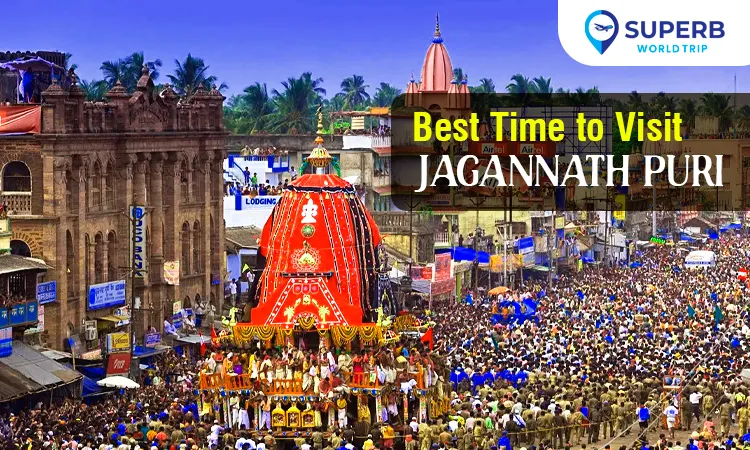
Jagannath Puri is also known as Puri. It is one of the most sacred pilgrimage destinations in India and a key component of Char Dham Yatra.
It is located on the Bay of Bengal in Odisha. Puri is famous for the stunning Jagannath Temple, golden beaches, vibrant festivals, and rich cultural heritage.
Each year, millions of people, believers and tourists, flock to the sacred city to seek the blessings of God Jagannath, witness the grand Rath Yatra, and experience the spiritual vibe that engulfs the city.
Apart from its importance for the faith community, Puri offers beautiful beaches and temples that date back to the past, as well as delicious Odia cuisine, lively markets, and easy access to nearby attractions such as Konark and Chilika Lake.
If you’re planning a trip to Puri for a religious holiday with your family, a pilgrimage, or a cultural vacation, picking the right time to go will make your trip significantly more enjoyable.
When is the ideal moment to visit Jagannath Puri?
The ideal season to travel to Jagannath Puri is between October and February, and the temperature is pleasant, cool, and suitable for temple tours or sightseeing.
You can also spend time on the beach. If you’re looking to experience the famed Rath Yatra, then June or July is the ideal timing; however, you need to be prepared for huge crowds and hot weather.
In this comprehensive guide, we’ll go over the weather according to season as well as monthly travel tips, festival information, local attractions, and everything you should know prior to making your trip.
Best Time to Visit Jagannath Puri at a Glance
| Season | Months | Temperature | Travel Experience |
| Winter | October to February | 16°C to 28°C | Best Time |
| Summer | March to June | 25°C to 38°C | Hot, but manageable |
| Monsoon | July to September | 24°C to 32°C | It is great for Rath Yatra and also for greenery |
Jagannath Puri Weather Throughout the Year
Puri is blessed with a tropical coastal climate all year round. The summer months are humid and hot. Monsoons bring moderate to heavy rainfall, while winters are cool and cozy.
Let’s explore each season’s changing seasons in depth.
Winter (October to February)—Best Season to Visit Jagannath Puri
Winter is without doubt the ideal moment to travel to Puri. The weather gets mild, the humidity is reduced, and the experience is more relaxing.
No matter if you’re at the Jagannath Temple, relaxing on Puri Beach, or making day trips to nearby tourist sites, winter offers the most pleasurable travel experience.
Temperature
- Daytime: 24°C to 28°C
- Night: 16°C to 20°C
Why Visit During Winter?
- Warm and pleasant weather
- Perfect for temple visits
- Pleasant beach experience
- Excellent sightseeing conditions
- Ideal for photographing
- For families as well as seniors
It’s also the peak tourist season, with the highest volume of tourists at Christmas time, New Year, and school holidays. Hotels and transport can be fast, so it’s recommended to reserve prior to the time.
Summer (March to June)
The summer in Puri is extremely humid and hot because of the coastal location.
While sea breezes provide relief, the temperature can become uncomfortable in the afternoon.
Temperature
- Day: 30°C to 38°C
- Night: 25°C to 28°C
Advantages
- Smaller tourist crowds
- Better hotel deals
- Easier temple access
- Cost-effective travel
Challenges
- High humidity
- Strong sunlight
- Hot afternoons
- The outdoors can be exhausting
If you’re planning to travel during the summer months, plan your sightseeing early in the morning or later after sunset.
Monsoon (July to September)
The monsoon is a regular rainy season in Puri, which makes the city greener and more refreshing.
This time of year is particularly significant due to the world-renowned Jagannath Rath Yatra, which draws millions of people.
Temperature
- Day: 27°C to 32°C
- Night: 24°C to 26°C
Why Visit During Monsoon?
- Experience the great Rath Yatra
- Beautiful scenery from the coast
- Green lush surroundings
- There are fewer visitors after the festival.
- Lower hotel costs
Things to Consider
- Frequent rainfall
- High humidity
- The waterlogging that occurs in certain areas
- Beach activities are not always available.
Even with the rainfall, lots of pilgrims believe that this is the most spiritually satisfying moment to go on a pilgrimage due to it being the Rath Yatra.
Month-by-Month Travel Guide
October
October is the month of the tourism season.
The rains are over, the temperatures have risen, and sightseeing is much more enjoyable.
Ideal for:
- Temple visits
- Beach walks
- Family vacations
- Photography
November
November is among the most enjoyable months to travel to Puri.
The temperature remains pleasant and cool, making it perfect for exploring the city and the nearby tourist places of interest.
December
December draws a large number of visitors from the country.
Expect:
- Warm and pleasant weather
- A festive atmosphere
- Beautiful beach sunsets
- Hotels are crowded
Booking ahead of time is highly recommended.
January
January continues to provide excellent weather.
The mild weather makes it the perfect place for families, elderly pilgrims, and tourists.
February
February is among the more relaxing months until temperatures start to rise.
The beaches, temples, and the local market are fun all day.
March
March signals the start of summer.
The afternoons are warmer, but the mornings and evenings remain cool.
April
Temperatures continue to rise.
Carry:
- Cotton clothing
- Sunglasses
- Sunscreen
- Ample drinking water
Plan outdoor activities during cooler hours.
May
May is among the hottest seasons in Puri.
The possibility of visiting temples is still there, but beach walks at midday should be avoided.
June
June is still humid and hot, but occasionally showers can bring a brief respite.
It is believed that the Rath Yatra often falls during the latter part of June or July, based on the Hindu calendar.
July
July is the most important month of the season of pilgrimage because it marks the Jagannath Rath Yatra.
Many thousands of devotees gather to witness the large procession of Lord Jagannath, Lord Balabhadra, and Goddess Subhadra.
ExpeGoddesse crowds
- Huge crowds
- Heavy security
- Reservations for hotels in advance are required.
August
The rain is continuing, but the tourist numbers are slowly decreasing following Rath Yatra.
The city appears healthy and fresh.
September
September is a time of improvement in the weather conditions as the monsoon is beginning to diminish.
This is an ideal month to travel for those looking for fewer people and cheaper hotel prices.
Best Time for Jagannath Temple Visit
If your primary goal is to obtain blessings at the Jagannath Temple, the ideal months to do so are
- October
- November
- December
- January
- February
The mild weather makes sitting in the temple lines and exploring the surroundings much more enjoyable.
Darshan in the morning is recommended for a relaxing experience.
Best Time to Attend Rath Yatra
The world-renowned Jagannath Rath Yatra is held every year in the month of June or July. It is usually during the second day of the fortnight with full moonlight (Shukla Paksha) of the Hindu month of Ashadha.
This amazing festival includes massive wooden chariots transporting Lord Jagannath and Lord Balabhadra, along with the goddess Subhadra, along the streets of Puri.
If experiencing this once-in-a-lifetime moment is something you’ve always wanted to experience:
- Hotel reservations can be made months before the date.
- Expect huge crowds.
- Be early to get the most spectacular places to view.
- Follow the local authorities’ safety advice.
Best Time for Beach Lovers
Puri Beach is one of the biggest tourist destinations in the city.
The best times to go to the beach are:
- October
- November
- December
- January
- February
Visitors can take pleasure in:
- Morning walks
- Camel rides
- Local seafood
- Sand art
- Sea breeze at peace
Swimming should be conducted carefully, observing local safety guidelines.
Best Time for Photography
Photographers should plan their trips between October and February.
In these months, you’ll be able to enjoy:
- Clear blue skies
- Golden sunrises
- Bright sunsets
- Nice lighting
- Beautiful temple architecture
- Scenic coastline
Photography in the morning at Puri Beach is awe-inspiring.
Best Time for Budget Travelers
People who want to save money might want to consider visiting during the following times:
- March
- April
- August
- September
Benefits include:
- Lower hotel rates
- Smaller tourist crowds
- Easier transportation bookings
Be aware that the weather can be more humid or hot in accordance with the season.
Major Festivals in Jagannath Puri
Puri celebrates a variety of religious celebrations throughout the year.
Jagannath Rath Yatra
The most renowned celebration in Puri and also one of the largest religious celebrations anywhere in the world.
Many thousands of devotees ride the huge chariots that transport Lord Jagannath and his children.
Snana Purnima
It is celebrated prior to Rath Yatra. This celebration involves the ritual bathing of the gods using the 108 holy pots.
Chandan Yatra
A unique summer festival in which the gods are worshipped aboard beautifully decorated vessels.
Makar Sankranti
Prayers and offerings of special significance are offered at the Jagannath Temple during this harvest festival.
Top Places to Visit in Jagannath Puri
In addition to the famed temple, Puri offers many interesting tourist attractions.
Jagannath Temple
The spiritual center of Puri is also one of the Char Dham pilgrimage places.
Its stunning architecture as well as sacred ceremonies entice millions every year.
Puri Beach
A lively beach renowned for its golden sandy beaches, views of sunrises, seafood stalls, as well as local handicrafts.
Gundicha Temple
This temple will become the temporary residence of the Lord Jagannath throughout his Rath Yatra.
Narendra Tank
The sacred tank of water that is associated with a variety of important temple ceremonies and festivals.
Lokanath Temple
An ancient Shiva temple that is frequented by a lot of pilgrims before or after a visit to the Jagannath Temple.
Konark Sun Temple
It is located about 35 km from Puri. This UNESCO World Heritage Site is well-known for its unique stone carvings and chariot-shaped architecture.
Chilika Lake
Asia’s largest brackish water lagoon is great for birdwatching, boating, and even spotting uncommon Irrawaddy dolphins.
Travel Tips for Visiting Jagannath Puri
To ensure that your trip is pleasant and easy:
- Wear cotton-like clothing the entire year.
- Be modest when visiting temples.
- Make sure you have sunscreen, sunglasses, and the requisite sun hat.
- Keep hydrated, particularly during the summer.
- Hotels should be booked in advance if you are traveling in the winter months and during Rath Yatra.
- Remove shoes before entering the temple premises.
- Begin sightseeing early in the morning so you can stay clear of crowds.
- Be sure to follow the rules of the temple in addition to local customs.
- Cash is handy for small purchases and local transportation.
Frequently Asked Questions
1. Which is the month that is best to go to Jagannath Puri?
November, December, January, and February are regarded as the most pleasant months because of the pleasant temperatures and pleasant sightseeing conditions.
2. Is Rath Yatra the ideal time to go to Puri?
If your intention is to witness one of India’s most important celebrations of religion, then you should definitely go. Be ready for huge crowds, increased hotel costs, and a humid climate.
3. Can I visit Puri during summer?
Yes. Even though temperatures are higher, the temples and tourist attractions can still be visited, particularly in the morning hours and late evening.
4. How many days are enough for Puri?
A 2-to-3-day trip is enough for you to explore the Jagannath Temple, Puri Beach, Gundicha Temple, and other nearby sites like Konark, as well as Chilika Lake.
5. Is Puri appropriate for a family trip?
Absolutely. Puri is a wonderful location for pilgrims, families, couples, and seniors. The combination of the beach, history, and nearby places of interest offers an array of activities for every kind of tourist.
Final Thoughts
Jagannath Puri is a destination where religion, culture, history, and coastal beauty combine to make an unforgettable experience.
If you’re looking for God’s blessings, Jagannath, or taking a stroll along the shores of the Bay of Bengal, or visiting nearby landmarks such as the Konark Sun Temple and Chilika Lake, Puri has something to offer everyone who travels there.
To enjoy the most pleasant conditions and enjoyable excursions, plan your trip between February and October.
If seeing the famous Jagannath Rath Yatra is on your list of things to do, you should visit in the months of June and July, but be ready for large crowds and hot conditions.
Whatever time you decide to go, Jagannath Puri promises a journey that is filled with love, traditions, and awe-inspiring memories.
Read similar content
Latest Post

15 Top Places to Visit in Matheran: Viewpoints, Lakes & More

15 Top Places to Visit in Jhansi: Forts, Temples & More

15 Top Places to Visit in Srisailam: Temples, Nature & More

15 Top Places to Visit in Pachmarhi: Waterfalls, Caves & More

15 Top Places to Visit in Kodaikanal: Lakes, Hills & More
15 Top Places to Visit in Gandhinagar: Temples, Parks & More

15 Top Places to Visit in Bhuj: Attractions, Heritage & More

15 Best Places to Visit in Alibaug: Beaches, Forts & More

15 Best Places to Explore in Badami: Temples, Caves & More

15 Top Places to Visit in Kovalam: Beaches, Temples & More

15 Best Places to Visit in Kumarakom for an Unforgettable Trip

15 Best Places to Visit in Alleppey – Must Visit

Places to Visit in Gokarna: 15 Beautiful Places You Shouldn’t Miss

Places to Visit in Diu: 15 Best Places to Explore

Places to Visit Near Srisailam: 15 Beautiful Places You Shouldn’t Miss

15 Places to Visit in Mandu: Historical & Scenic Attractions

12 Places to Visit in Dhanushkodi for an Unforgettable Trip

12 Places to Visit in Bekal for a Memorable Trip

15 Places to Visit in Kumbakonam: Temples and Attractions