Best Time to Visit Badrinath: Complete Seasonal Guide (2026)
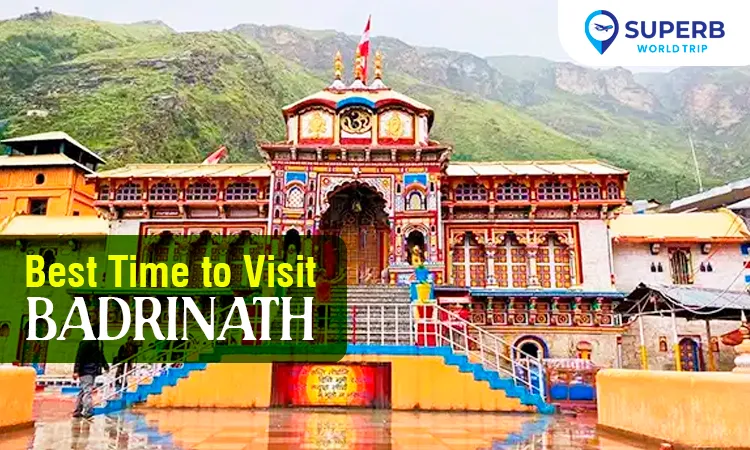
In the magnificent Himalayas in Uttarakhand, Badrinath is one of the most holy pilgrimage spots in India. It is dedicated to Lord Vishnu.
The holy Badrinath Temple is part of the highly revered Char Dham Yatra and attracts millions of tourists and devotees each year. It is surrounded by snow-capped peaks and flowing rivers, along with breathtaking views. Badrinath offers not only spiritual tranquility but also awe-inspiring natural beauty.
But, due to the temple’s high elevation of about 3,300 m (10,827 feet), the temple is open for just six months per year.
The winter snowfall is heavy and causes the temple to shut down, which is why it is important to pick the best time to visit the temple.
What is the ideal time to go to Badrinath?
The best moments to travel to Badrinath can be found between the months of May and June and September through October.
In these months, the conditions are pleasant, the roads are accessible, and pilgrims are able to easily explore the temple and other nearby tourist attractions.
In August and July, the temple is also a good time to visit for darshan, but the monsoon season can bring heavy rains and landslides that make travel more difficult.
In this guide, we’ll go over everything you must be aware of about going to Badrinath, including weather by season, as well as monthly travel tips, opening and closing dates, festival dates, and helpful travel information.
Best Time to Visit Badrinath at a Glance
| Season | Months | Temperature |
| Summer | May to June | 7°C to 18°C |
| Monsoon | July to August | 8°C to 15°C |
| Autumn | September to October | 5°C to 15°C |
| Winter | November to April | -5°C to 8°C |
Knowing the weather can assist you in planning a safe and comfortable trip.
Summer (May to June) – Best Season to Visit Badrinath
The summer season marks the start of the season of pilgrimage. After having been closed in winter, the Badrinath Temple usually opens in the middle of April or in May.
The snow begins to melt, roadways are opened, and the valleys around become beautiful and vibrant.
Temperature
- Daytime: 12°C to 18°C
- Night: 5°C to 8°C
Why Visit During Summer?
- The weather is pleasant for going on a sightseeing trip
- The temple is available for darshan
- Roads are in good order
- Perfect for Char Dham Yatra
- Mountains covered in snow create stunning scenery
- Warm temperatures suitable for older pilgrims
It is the busiest time in the calendar, so be prepared for huge crowds, particularly during holidays and weekends.
What to Pack
- Warm jackets
- Warm clothing for the mornings as well as the evenings
- Comfortable walking shoes
- Sunglasses
- Sunscreen
- Woolen cap
Monsoon (July to August)
The monsoon turns the Himalayas into an enchanted green paradise. Waterfalls get stronger, and rivers flow with their full force, and the valleys appear amazing.
However, this time of year presents problems.
Temperature
- Day: 10°C to 15°C
- Night: 8°C to 10°C
Advantages
- Beautiful green landscapes
- Fewer tourists
- Easier hotel availability
- Peaceful temple experience
Challenges
- Heavy rain
- Landslides
- Road closures
- Travel delays
- Trails for trekking with slippery surfaces
The temple is still accessible during this time; it is important to keep an eye on the latest weather forecasts prior to planning your journey.
If you’re traveling during the monsoon, keep extra buffer days in your itinerary.
Autumn (September to October) – Another Excellent Time
When the rains stop, Badrinath becomes one of the most picturesque locations in the Himalayan Mountains.
The sky becomes sparkling, the views of mountains increase dramatically, and the weather is perfect for outdoor activities.
Temperature
- Day: 8°C to 15°C
- Night: 2°C to 6°C
Why Autumn is Perfect
- Views of the mountains in clear clarity
- Nice weather
- A lesser amount of rain
- Fewer crowds than in summer
- Fantastic photography opportunities
A lot of experienced travelers prefer October and September because the scenery is stunning after the monsoon.
Wear enough woolen clothes as temperatures start to drop quickly, particularly in October.
Winter (November to April)
The winter season in Badrinath is very harsh.
A heavy snowfall blankets the entire region, making roads inaccessible.
Temperature
- Day: 0°C to 8°C
- Night: -5°C to -10°C
Due to the extreme weather conditions, it is not possible to visit the Badrinath Temple, which remains closed during the winter months.
The Badrinarayan idol is then ceremonially moved to Joshimath, and devotees keep praying until the temple is reopened in the summer.
If you’re not keen on experiencing snow in nearby areas, it’s not the best time for a trip to Badrinath, the city itself.
Month-by-Month Guide
May
May is among the most enjoyable months to travel.
- Temple opens
- Good weather
- Fresh mountain air
- The snow is visible on the nearby peak
- Ideal for a pilgrimage
Ideal for visitors who are just beginning their journey.
June
June offers hot days and cool nighttime temperatures.
- Excellent road conditions
- Family-friendly
- Season of peak tourism
- Beautiful Himalayan views
Plan your accommodation in advance.
July
Rainfall begins.
Travel can be unpredictable due to landslides; however, the temple is still accessible.
It is recommended only for those who are at ease with flexibility in their travel plans.
August
Rain continues to fall, but the amount of rain will decrease towards the end of the month.
The countryside is lush and lush, even though travel interruptions are still possible.
September
The best month for photography.
Expect:
- Blue skies
- Fresh air
- Less crowds
- Warm and pleasant weather
- Spectacular mountain views
Highly recommend.
October
The month of October is usually thought to be the best month to be in before winter.
The weather is pleasant throughout the day. However, the nights can be very cold.
It is also the last chance to see the temple before the temple is closed in winter.
November to April
The temple is closed due to the heavy snowfall.
Access to roads is not always available.
Best Time for Char Dham Yatra
If you’re planning the entire Char Dham Yatra, including Yamunotri, Gangotri, Kedarnath, and Badrinath, the most ideal months to go are the following:
- May
- June
- September
- Early October
The months of May and June offer the most secure travel conditions and a pleasant climate across the four shrines.
Best Time for Photography
Photographers should take into consideration:
May-June
- The mountains are covered in snow
- Bright sunshine
- New landscapes
September-October
- Crystal-clear skies
- Golden sunlight
- The lush greenery is alive after the monsoon.
- Beautiful sunset and sunrise views
The fall season typically offers the most beautiful lighting in mountain photos.
Best Time for Budget Travelers
The cost of hotels tends to rise dramatically during the months of May and June due to the mass pilgrimage.
For budget-conscious travelers, consider:
- Late August
- September
- Early October
The months of May and June typically offer the best hotel rates while also offering fantastic conditions.
Festivals Celebrated at Badrinath
Numerous important religious occasions draw devotees at the temple.
Mata Murti Ka Mela
In honor of the Mother of Lord Badrinath, this festival is marked with prayers, rituals and cultural activities.
Badri-Kedar Festival
The most common time to celebrate is in June. This one-week cultural festival includes
- Traditional music
- Folk dances
- The worship services are a part of the liturgical calendar.
- Cultural programming
It offers guests a unique combination of religion and local tradition.
Temple Opening and Closing
The dates for the opening and closing alter each year in accordance with the Hindu calendar.
Generally:
- Opening: Late April, or the beginning of May
- Closing: In October or November, after Diwali
Always confirm the dates on the official website prior to making your trip.
Nearby Places to Visit
When you visit Badrinath, don’t forget these popular attractions nearby:
Mana Village
Mana is regarded as the final Indian village prior to Mana was proclaimed as the last Indian village before the Tibet boundary. Mana offers beautiful scenery and interesting local traditions.
Tapt Kund
Natural hot water spring, where pilgrims are accustomed to bathing prior to entering the temple.
Charan Paduka
The sacred stone is believed to have its footprints. Vishnu.
Vasudhara Falls
A breathtaking waterfall located just a short distance away from Mana Village.
Bheem Pul
A huge natural rock bridge whose origins are linked to the Mahabharata.
Saraswati River
A sacred river in Hindu mythology, which is visible in the vicinity of Mana Village.
Travel Tips for Visiting Badrinath
To ensure that your journey is is pleasant and easy:
- Begin the journey at a reasonable time in the morning to avoid traffic congestion and delays caused by weather.
- Wear warm clothing even in the summer months, since temperatures tend to fall significantly after sunset.
- Keep hydrated due to the altitude.
- Take a slow walk to allow your body to adjust to the change in elevation.
- Maintain basic medicine and a first-aid kit on you.
- Hotels should be booked in advance if you plan to visit in June or May.
- Be sure to check for updates on the road and weather prior to departure.
- Make sure you have a valid ID and travel documents.
- Follow local customs and keep the temple in a clean and tidy condition.
Frequently Asked Questions
1. What is the most suitable month to go to Badrinath?
May, July, June, September, and October are regarded as the best months due to mild weather and easy access.
2. Can I visit Badrinath during the monsoon?
The temple is accessible during the months of July and August. However, heavy rainfall and landslides could alter travel plans.
3. Is Badrinath accessible all year long?
No. The temple typically remains open from the end of April or May through Oct. or Nov.
4. Does Badrinath receive snowfall?
Yes. The winter months are the time for heavy snowfall; this is the reason why the temple is closed for about six months.
5. Is October the best time to go to Badrinath?
Yes. October offers cool temperatures with clear skies, fewer crowds, and breathtaking views of the mountains, which makes this one of the most enjoyable times to visit before winter begins.
Final Thoughts
Selecting the best timing to go to Badrinath will help make your journey pleasant and unforgettable. For most tourists, between May and June, it’s the best time to visit, with beautiful weather, wide roads, and vibrant pilgrimage opportunities.
If you’d rather avoid crowds along with breathtaking Himalayan landscapes, the period from September to October is equally enjoyable, having clear blue skies and fresh mountain air.
The monsoon seasons are a great time to enjoy stunning landscapes; however, they also pose the threat of landslides as well as travel delays.
Winter, on the contrary, isn’t a good time for visiting the temple since it remains closed because of the heavy snowfall.
If you’re in search of spiritual awakening, stunning Himalayan landscapes, or just a relaxing getaway, planning your trip in the recommended months will guarantee a secure and memorable experience in one of the most sacred places in India.
Read similar content
Latest Post

15 Top Places to Visit in Matheran: Viewpoints, Lakes & More

15 Top Places to Visit in Jhansi: Forts, Temples & More

15 Top Places to Visit in Srisailam: Temples, Nature & More

15 Top Places to Visit in Pachmarhi: Waterfalls, Caves & More

15 Top Places to Visit in Kodaikanal: Lakes, Hills & More
15 Top Places to Visit in Gandhinagar: Temples, Parks & More

15 Top Places to Visit in Bhuj: Attractions, Heritage & More

15 Best Places to Visit in Alibaug: Beaches, Forts & More

15 Best Places to Explore in Badami: Temples, Caves & More

15 Top Places to Visit in Kovalam: Beaches, Temples & More

15 Best Places to Visit in Kumarakom for an Unforgettable Trip

15 Best Places to Visit in Alleppey – Must Visit

Places to Visit in Gokarna: 15 Beautiful Places You Shouldn’t Miss

Places to Visit in Diu: 15 Best Places to Explore

Places to Visit Near Srisailam: 15 Beautiful Places You Shouldn’t Miss

15 Places to Visit in Mandu: Historical & Scenic Attractions

12 Places to Visit in Dhanushkodi for an Unforgettable Trip

12 Places to Visit in Bekal for a Memorable Trip

15 Places to Visit in Kumbakonam: Temples and Attractions