How to Reach Badrinath: By Road, Train & Air
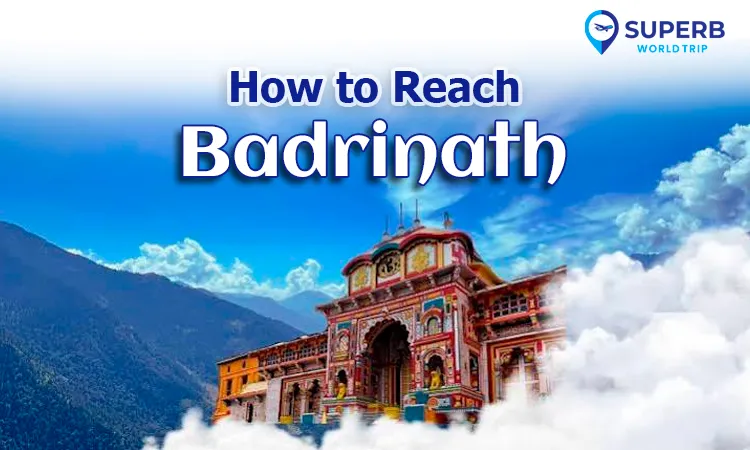
Badrinath is among those mountains for which the trip is identical to the location itself. It is located within the Garhwal Himalayas in Uttarakhand. Badrinath is best recognized for its Badrinath Temple, one of the most revered pilgrimage sites in the world for Hindus in Uttarakhand. It is also one of the four Char Dham temples.
Travelling to Badrinath isn’t difficult; however, it requires some planning. There isn’t an airport or railway station in Badrinath, the city, and therefore many travelers have to connect a flight or train with a road trip.
The best part is that you are able to get quite close to the temple via roads. Contrary to Kedarnath, there isn’t a long hike that each pilgrim must make.
If you’re looking to make your first visit to Badrinath This is a brief guide on the steps to get to Badrinath via train, road, and flight; the way from Delhi; the airports nearby; and railway stations, as well as useful suggestions for your journey.
Where Is Badrinath?
Badrinath is located within the Chamoli district in Uttarakhand, which is located in the Garhwal Himalayas. The town is situated on the Alaknanda River and is surrounded by mountain peaks that rise to the sky.
The Badrinath Temple is situated in an elevation of about 3,133 meters above sea level.
Because of its altitude and the heavy snowfall in winter, Badrinath is not accessible for regular pilgrimage all year. The temple is opened to pilgrims in the summer months and closes just before the harsh winter begins.
For the majority of travelers who travel, the experience looks like this:
Your cities—Haridwar/Rishikesh, Joshimath, and Badrinath
The final stretch of the route is an uphill road; however, unlike Kedarnath, it is possible to drive a vehicle all the way to Badrinath.
How to Reach Badrinath by Road
Travelling by road is the most popular way to get to Badrinath.
It is possible to travel by bus or shared taxi private taxi, or even your own vehicle. If you’re traveling from Delhi or another city within North India, the road journey will take you through stunning regions of Uttarakhand.
A common way to get there is
Delhi – Haridwar – Rishikesh – Devprayag – Srinagar – Rudraprayag – Karnaprayag – Chamoli – Joshimath – Badrinath
The exact duration of your trip will depend on where you start and the traffic, road conditions, and the weather.
The most important thing to consider when traveling in the Himalayas is that distances do not necessarily tell you the length of time it will take.
A road that appears to be short on a map could take a lot of time due to curving roads as well as mountain bends and occasionally restrictions on traffic.
This is why it’s recommended to make your plan flexible.
Delhi to Badrinath by Road
Delhi is among the most popular locations to begin the Badrinath tour.
The route from Delhi is via Haridwar as well as Rishikesh before reaching the mountains.
The most common route is:
Delhi – Meerut – Haridwar – Rishikesh – Devprayag – Srinagar – Rudraprayag – Karnaprayag – Chamoli – Joshimath – Badrinath
If you’re driving your own vehicle, do not try to travel the entire distance on just one trip. The mountain portion can be exhausting, especially in case you’re not accustomed to driving on windy roads.
Many travelers prefer spending the night in Rishikesh, Srinagar, Rudraprayag, Pipalkoti, or Joshimath, in accordance with their schedules.
Joshimath is a good choice because it is among the major towns on the road to Badrinath.
How to Reach Badrinath by Bus
If you’re not keen to drive, buses can be a viable alternative.
Shared vehicles and buses are readily available from cities like Haridwar and Rishikesh to destinations within the Garhwal region.
In the season of pilgrimage, transport services rise due to the influx of tourists toward Badrinath along with other Char Dham sites.
But don’t count on the trip being as smooth or reliable as a typical intercity bus journey.
The mountain roads, traffic, and weather can alter the route.
If you’re travelling via bus, it’s recommended to begin early and include some time in your schedule.
For those with a limited budget, bus tickets could be an option. If you’re traveling with elderly relatives or with a group in a group, a private taxi might be more suitable.
How to Reach Badrinath by Train
There isn’t a railroad station at Badrinath.
If you’d prefer to travel via train, you can catch a train that goes to Rishikesh or Haridwar and then continue on the road.
Rishikesh is usually regarded as the closest railway station to Badrinath. Haridwar is also a popular destination because of its excellent railway connectivity to cities throughout India.
A basic journey is
Your city is Haridwar/Rishikesh. Train Badrinath via road.
This is a great alternative for travelers who are coming via Delhi, Mumbai, Kolkata, Lucknow, or other cities connected to Haridwar via railway.
Haridwar or Rishikesh: Which Is Better?
Both are able to serve to establish starting points.
Haridwar is an excellent alternative if you can find an easy train connection.
Rishikesh is located near the Himalayan route and is a well-known place to start the road trip.
It is not necessary to pick one option over the other. Your choice will depend on what train and transport mix is best for your travel plans.
How to Reach Badrinath by Flight
Badrinath is not home to its own airport for commercial use.
The closest airport to the city is Jolly Grant Airport in Dehradun, serving the capital city of the state as well as the surrounding region.
If you’re from a city that is far away traveling by air to Dehradun can cut down on time as opposed to travelling to Dehradun by train.
Just like traveling via rail, you’ll find that your trip will not complete after you have landed.
At Dehradun Airport, you still must travel on the route through Rishikesh and along the mountain road toward Badrinath.
The route may be laid out as follows:
Dehradun Airport – Rishikesh – Devprayag – Rudraprayag – Karnaprayag – Joshimath – Badrinath
The journey from Dehradun up to Badrinath is lengthy. So don’t make plans for an arrival on the same day and temple visits without leaving ample time for travel.
If you’re flying, booking your taxi prior to departure will help, particularly in the busy Char Dham season.
How to reach Badrinath from Rishikesh
Rishikesh is among the most well-known places to start the Badrinath pilgrimage.
From Rishikesh, the road traverses the mountains, eventually leading to Joshimath as well as Badrinath.
The route takes in a variety of famous places, including
Rishikesh – Devprayag – Srinagar – Rudraprayag – Karnaprayag – Chamoli – Joshimath – Badrinath
The drive is lengthy; however, it’s an extremely beautiful area of the trip.
You’ll see rivers flowing in deep valleys through mountain villages and forests on the path.
If you’re in a hurry, you have, you can make the trip into a part of your vacation instead of taking it as a trip.
How do I reach Badrinath? From Kedarnath
Many pilgrims travel to Kedarnath and Badrinath in conjunction as part of the Do Dham Yatra.
If you plan to visit both temples, then you have to plan your journey carefully, as Kedarnath as well as Badrinath are situated in different mountain valleys.
A typical itinerary might comprise:
Haridwar/Rishikesh Kedarnath Badrinath, return to Haridwar/Rishikesh
After having completed your Kedarnath pilgrimage, travelers typically return to their main roads and continue on to Badrinath.
Do not make the mistake of thinking that the two temples are right next to one another. Travelling in the mountains takes time and road conditions could alter your plans.
If you’re considering both destinations, give yourself enough time rather than trying to fit everything into a small travel time.
Can You Reach Badrinath by Car?
Yes.
This is among the most significant distinctions in Badrinath as well as Kedarnath.
It is generally possible to take a car and drive towards Badrinath town, but the journey is high mountain slopes and twisting roads.
If you drive your own vehicle, be sure that your vehicle is in good working order prior to beginning your journey.
Check:
- Brakes
- Tyres
- Engine oil
- Coolant
- Spare Tyre
- Lights
- Fuel
Don’t wait until you’re at the bottom of a mountain before you can spot an issue with your vehicle.
Be cautious when driving in mountain areas. Keep to the speed limit, particularly around bends, and also be patient with large vehicles and buses.
Is the Road to Badrinath Difficult?
The journey on the road is exhausting, but you don’t have to be an experienced trekker to go to Badrinath.
The main challenge is the long, mountainous drive not a compulsory hike.
Another important aspect is weather.
The effects of rain can be detrimental to roads throughout the Himalayan region, and road maintenance or landslides can sometimes cause delays.
It is always advisable to verify the most current road conditions prior to departing.
If you plan to travel during monsoon season, give yourself some extra time, and do not plan your travel plans too rigidly.
How to Reach Badrinath by Helicopter
Helicopter options are readily available to Char Dham travellers, although the exact route, services, and packages will vary based on season.
Certain helicopter packages include several Char Dham destinations rather than being a point-to-point trip to Badrinath.
Helicopter travel is a great option for those who are limited on time or who want to stay clear of long mountain road trips.
It is crucial to be aware that helicopter operations are dependent on weather conditions.
The weather in the mountains can change rapidly, and flights can be delayed or cancelled in the event that conditions are not suitable.
If you opt for the helicopter option, make sure you use the official booking channels and be sure to check the items included in the deal prior to making the payment.
Best Time to Visit Badrinath
Badrinath is mostly visited during the open-to-all pilgrimage time.
The temple usually opens in the spring, and closes just prior to the beginning of the harsh winter weather.
The dates for opening and closing differ each year, so be sure to read the official announcement before deciding on your travel plans.
May and June are two of the most busy months due to the summer holidays and the acclaim for The Char Dham Yatra.
The latter portion of the season for pilgrimage may be a great time to travel, but the weather conditions should be taken into consideration.
If you’re traveling during the monsoon season, bear in mind that heavy rain could impact the mountain roads.
How Many Days Do You Need for Badrinath?
For a Badrinath only trip, to Haridwar or Rishikesh approximately 3-4 days could be a good idea, based on your transportation and the amount of time you’d like to dedicate to the route.
A basic itinerary might appear like:
Day 1: Rishikesh/Haridwar, Joshimath or another town nearby.
Day 2 Day 2: Joshimath to Badrinath as well as temple tour
Day 3 Badrinath tour and returning journey
Day 4: Return to Haridwar/Rishikesh
It is possible to make the trip longer if you wish to discover locations along the route.
If Badrinath is a part of the Char Dham Yatra, you will definitely require additional days.
What to See Around Badrinath
If you’ve got additional time to spare, do not make your excursion to the temple on your own.
There are many interesting spots within Badrinath.
Mana Village
Mana is located near Badrinath and is frequently described as one of the last Indian villages that is located near the border of international trade.
The village is characterized by its Himalayan environment and is a favorite place for pilgrims to stop.
Tapt Kund
Tapt Kund is a natural thermal spring located near the Badrinath Temple. It is traditionally connected to the ritual of visiting the temple.
Charan Paduka
Charan Paduka is another popular spot in Badrinath and is linked with the religious beliefs of Lord Vishnu.
Vasudhara Falls
If you love mountain views with the right time as well as physical capacity, Vasudhara Falls can be an interesting addition to your journey.
The region in the vicinity of Badrinath offers more than just arriving at the temple, having darshan and leaving immediately.
What Should You Carry for a Badrinath Trip?
In the mountain regions, weather conditions can change rapidly which is why it is essential to pack your bags in a way that is safe.
Carry:
- Warm clothes
- Comfortable walking shoes
- Rain jackets or ponchos
- Small backpack
- Sunglasses
- Sunscreen
- Personal medicine
- Water bottle
- First-aid basics
- Power bank
- Government-issued ID
- The required registration documents
Even if you begin your journey in a warm climate the temperatures in Badrinath could be significantly colder.
Don’t think you’ll be comfortable in your normal summer clothes because it was scorching hot the moment you left Delhi or a city on the mainland.
Badrinath Registration and Travel Documents
Before traveling, verify the latest Char Dham Yatra registration requirements.
The registration procedure and rules are subject to be different from one season of pilgrimage to the next.
Make sure you keep your registration information as well as IDs along with other vital documents readily accessible.
If you’re making a booking with a tour company, clarify with them what they’re arranging and what you have to plan yourself.
It is best to be aware of these information prior to embarking on your journey instead of trying to find them when you reach Uttarakhand.
Tips for First-Time Badrinath Travellers
First thing I’d suggest is not to rush through the process.
The roads in the mountains are not always predictable. A trip that typically takes about a set amount of time could take longer due to weather, traffic and road works, or any other delays.
Get started early, if possible.
If you’re traveling with your elderly relatives ensure that the itinerary is relaxing and allow for sufficient breaks.
Don’t also pack too excessively. You can leave your primary luggage at the hotel and take only what you’ll require for your day.
If you’re driving, do not travel late into the night on unfamiliar mountain roads.
Before embarking on your travel, be sure to check the road conditions and weather. A little bit of preparation can avoid the stress of a long time.
Final Thoughts
The journey to Badrinath is a lot easier than many people who are new to the area imagine due to the fact that Badrinath is connected with a roads.
Start your journey on a train that will take you towards Haridwar or Rishikesh or by plane to Dehradun and then continue on the road. After that, your drive will take you through the stunning mountains of Uttarakhand before arriving at Joshimath and, finally, Badrinath.
Contrary to Kedarnath it’s not necessary to trek for miles to get to Badrinath Temple. It is easy to travel by automobile to the town.
However, the trip requires patience. Roads in the mountains can be slow, the weather changes quickly and delays are always likely. Instead of rushing between destinations allow yourself time to take in the scenery.
For many tourists who travel to Badrinath becomes a part of the journey itself. It takes you through forests, rivers, small mountain villages, and breathtaking Himalayan landscapes before finally reaching Badrinath Temple.
When you are standing in Badrinath and see the mountains rise over you, it becomes evident that this isn’t just a destination you traveled to. It’s a journey that you went on.
Latest Post

15 Best Places to Visit in Georgia: Places You Should Not Miss

Best Places to Visit in Australia: Should Add to Your Travel List

15 Best Places to Visit in Greece: Should Not Miss

Best Places to Visit in Sri Lanka: 15 Beautiful Places to Add to Your Itinerary

Best Places to Visit in Switzerland: 15 Beautiful Places You Should Not Miss

Best Train Journeys in India: Scenic Routes to Explore
Best Places for Stargazing in India: Top Spots to Visit

Best Places for Paragliding in India: Top Destinations

Best Places for Scuba Diving in India: Top Spots to Explore

How to Reach Spiti Valley: By Road, Train & Air
How to Reach Badrinath: By Road, Train & Air

How to Reach Lakshadweep: By Flight and Ship
How to Reach Kedarnath: By Road, Train & Helicopter

How to Reach Andaman and Nicobar Islands

15 Top Places to Visit in Matheran: Viewpoints, Lakes & More

15 Top Places to Visit in Jhansi: Forts, Temples & More

15 Top Places to Visit in Srisailam: Temples, Nature & More

15 Top Places to Visit in Pachmarhi: Waterfalls, Caves & More

15 Top Places to Visit in Kodaikanal: Lakes, Hills & More