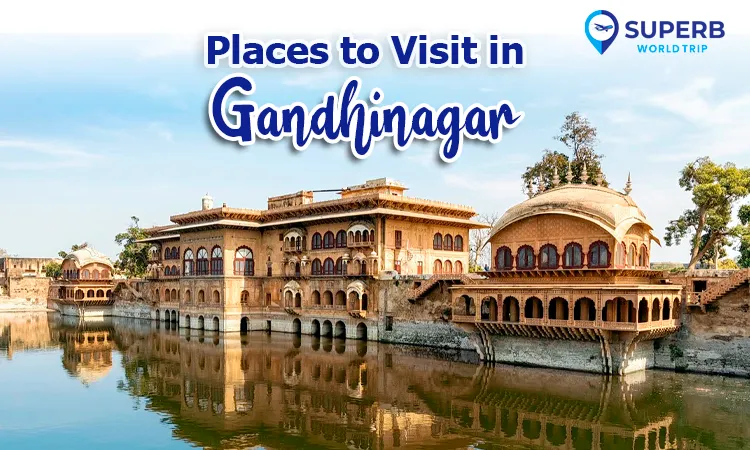
Places to Visit in Aurangabad: Exploring the Historical Heart of Maharashtra

Aurangabad is among Maharashtra’s most intriguing cities, renowned for its rich past, stunning monuments, magnificent structures, ancient caves, and vibrant culture heritage.
It is often called “the City of Gates.” Aurangabad is the gateway to the most fascinating of India’s UNESCO World Heritage Sites, which makes it a must-see location for those who love history as well as architecture enthusiasts and tourists alike.
Named in honor of Aurangzeb, the Mughal Emperor, the city is a unique mix with Mughal, Buddhist, and Hindu influences. From caves that date back centuries and grand forts to tranquil gardens and sacred sites, Aurangabad has something for all.
If you’re planning to travel to Maharashtra, this guide will help you find the top places to go in Aurangabad and get the most out of your travel experience.
Why Visit Aurangabad?
Aurangabad is a standout as one of the most important historical places to visit. It is home to world-class monuments as well as intricate cave temples and architectural marvels that draw tourists from around the world.
There are many reasons to go to Aurangabad:
- UNESCO World Heritage Sites
- Ancient rock-cut caves
- Architecture from the Mughal period
- Forts and historical monuments
- Cultural and religious attractions
- Local cuisines and shopping experiences
Let’s take a look at the most popular tourist destinations in Aurangabad.
1. Ajanta Caves
The caves of Ajanta are an extremely well-known tourist attraction in Aurangabad. These ancient Buddhist caves date back to the 2nd century BCE and are famous for their amazing sculptures and murals, along with intricate carvings.
A cliff carved in the shape of a horseshoe that overlooks the Waghora River, the caves display the artistic brilliance of the past of India. The paintings tell stories of the life and times of Buddha and other Jataka stories.
The tourists often spend a long time exploring the beautiful cave complexes.
Highlights:
- UNESCO World Heritage Site
- Ancient Buddhist paintings and art
- Beautiful rock-cut structure
- Historical significance
2. Ellora Caves
An additional UNESCO World Heritage Site, the Ellora Caves represent one of the most impressive examples of rock-cut architecture anywhere in the world.
The cave complex is home to Buddhist, Hindu, and Jain monuments built directly into basalt cliffs. The most famous of these can be found in the Kailasa Temple, a massive monolithic temple dedicated to Lord Shiva.
The workmanlike craftsmanship in these caves is still awe-inspiring to both historians and visitors alike.
Highlights:
- UNESCO World Heritage Site
- Kailasa Temple
- Cave complex, multi-religious
- Unique stone carvings
3. Bibi Ka Maqbara
Sometimes referred to as”The Mini Taj Mahal,” Bibi Ka Maqbara is considered to be one of Aurangabad’s most famous landmarks.
The monument was constructed in the name of Prince Azam Shah in memory of his mother, Dilras Banu Begum; this monument bears striking resemblances to the Taj Mahal. The gardens are beautiful, with paths and fountains; they are a great place to take photos and an insight into Mughal architecture.
The structure is stunning at sunset and sunrise.
Highlights:
- Mughal architectural masterpiece
- Gorgeous gardens with beautiful landscaping
- Historical significance
- Popular photo spot
4. Daulatabad Fort
Daulatabad Fort is one of the most stunning forts in India. Built on top of a huge hill, this fort was thought to be nearly invulnerable because of its strategic design and defense features.
Visitors can visit the ancient tunnels, gateways, watchtowers, and bastions while studying the fascinating history of the fort.
The climb up to the top is rewarded with views of the countryside around.
Highlights:
- Fortifications on the hill that are historic
- Incredible defensive architecture
- Panoramic views
- Experiments that are fun and adventurous
5. Panchakki
Panchakki, often referred to as the Water Mill Panchakki, is a stunning example of engineering from the past.
In the 17th century, the water-powered flour mill was built to produce energy through the use of water from a remote source via underground channels. It also features beautiful gardens with a mosque as well as the largest reservoir of water.
Visitors are often amazed by the inventiveness and creativity of this system.
Highlights:
- Water mills from the past
- Unique engineering marvel
- Peaceful gardens
- Cultural significance
6. Aurangabad Caves
These caves in Aurangabad are a lesser-known, however equally interesting, historical destination.
They are cut from rock. Buddhist caves date to the 7th and 6th centuries. They are decorated with exquisite carvings and sculptures as well as prayer rooms.
They are situated on a hill that overlooks the city below; the caves have stunning views and are a peaceful option in comparison to Ajanta or Ellora.
Highlights:
- Ancient Buddhist caves
- Carvings with intricate details
- A picturesque hilltop site
- The attraction is less crowded
7. Siddharth Garden and Zoo
For nature lovers and families, Siddharth Garden and Zoo is among the most fun locations to go in Aurangabad.
The garden has lush greenery and walking trails as well as fountains, and the zoo, which houses various species of animals and birds. It is a peaceful environment for people of all ages.
Highlights:
- Family-friendly fun
- Garden well-maintained and well-maintained
- Zoo and recreation spaces
- A relaxing environment
8. Grishneshwar Temple
Near Ellora Caves, Grishneshwar Temple is among the twelve Jyotirlingas that are dedicated to Lord Shiva.
The temple is renowned for its gorgeous designs, intricate carvings, and deep spiritual significance. People from all across India visit this holy site throughout the year.
Highlights:
- One of the 12 Jyotirlingas
- Beautiful temple architecture
- Major pilgrimage destination
- Spiritual significance
9. Soneri Mahal
Soneri Mahal is a historic palace that showcases Rajput architecture.
In the 17th century, it was constructed; it was home to golden paintings that influenced the name. Nowadays, it is home to a museum that exhibits artifacts, sculptures, pottery, and exhibits from the past.
The palace provides a glimpse into the region’s rich cultural as well as architectural history.
Highlights:
- The historic palace
- Museum of Archaeology
- Rajput architectural style
- Experience in education
10. Salim Ali Lake and Bird Sanctuary
Named in honor of an ornithologist of renown named after Dr. Salim Ali, this bird sanctuary and lake is the perfect spot for bird watchers and nature lovers.
The area is home to numerous birds, both resident and migratory species, all through the year. Trails for walking and the tranquil setting make it a perfect location for photography and relaxation.
Highlights:
- Birdwatching destination
- Lake views with stunning scenery
- Nature photography
- Peaceful environment
11. Bhadra Maruti Temple
Bhadra Maruti Temple is one of the temples in India in which the god of Hinduism, Lord Hanuman, appears in a reclined position.
It is located close to Khuldabad; the temple draws visitors and devotees alike. The unique worshipper and serene surroundings make it an ideal stop on your Aurangabad excursion.
Highlights:
- Unique reclining Hanuman idol
- Religious significance
- A popular pilgrimage site
- Peaceful and peaceful atmosphere
12. Khuldabad
Khuldabad is a city with a rich history situated near Aurangabad and is also known for its “Valley of Saints.”
The town is home to the grave of Mughal Emperor Aurangzeb in addition to a variety of significant monuments and shrines. Its rich past and spiritual significance draw visitors fascinated by India’s Mughal period.
Highlights:
- Tomb of Aurangzeb
- Historic monuments
- Spiritual heritage
- Cultural significance
13. Jayakwadi Dam
Jayakwadi Dam is one of Maharashtra’s most important irrigation projects. It’s also an extremely popular place to go for a day of recreation.
The huge reservoir, the scenic surroundings, and a close bird sanctuary draw visitors and nature enthusiasts. The sunset images from the reservoir are breathtaking.
Highlights:
- Massive reservoir
- Beautiful sunset views
- Opportunities to observe birds
- A relaxing atmosphere
Things to Do in Aurangabad
In addition to visiting popular attractions, Aurangabad also offers a myriad of fun things to do in Aurangabad:
- Discover UNESCO heritage sites
- Visit cave temples from the past
- Take advantage of photography from the past
- Get to know the local Maharashtrian food
- Shop for Himroo Shawls and Paithani sarees
- Visit historic museums
- Visit nearby forts and monuments
Best Time to Visit Aurangabad
October to March
This is the ideal time to go to Aurangabad. A pleasant climate makes sightseeing easy and enjoyable.
July to September
The monsoon season brings lush greenery and a refreshing climate, which enhances the beauty of historic places.
April to June
The summer heat can be scorching; however, early morning sightseeing and late evening activities are still feasible.
How to Reach Aurangabad
By Air
Aurangabad Airport is well connected to the major Indian cities like Mumbai, Delhi, Hyderabad, and Bangalore.
By Train
Aurangabad Railway Station offers convenient railway connectivity to many important locations across India.
By Road
The city is accessible by highways that connect Mumbai, Pune, Nashik, and other towns in Maharashtra.
Local Food to Try in Aurangabad
Foodies shouldn’t miss the opportunity to sample local cuisines such as:
- Naan Qalia
- Tahri Rice
- Mughlai curries
- Kebabs
- Maharashtrian snacks
- Traditional sweets
The city’s cuisine is a reflection of its diverse Mughal as well as Maharashtrian influences.
Travel Tips for Aurangabad
- Begin sightseeing earlier in the summertime.
- Put on comfortable shoes while exploring forts and caves.
- Make sure you have sun protection and water.
- Guides can be hired at Ajanta and Ellora to enjoy a more memorable experience.
- Make sure you have your camera ready for breathtaking landscapes and architecture.
- Make sure you have at least two or three days to visit the main attractions in comfort.
Final Thoughts
Aurangabad is the city where history is brought to life by magnificent caves, forts, stunning temples, and architectural marvels.
If you’re awestruck by the stunning artistic beauty in Ajanta and Ellora, admiring the beauty in Bibi Ka Maqbara, or taking a tour of the magnificent Daulatabad Fort, every attraction is a different story of India’s rich history.
Through its mix of spirituality, culture, history, and natural wonders, Aurangabad offers an unforgettable trip for travelers with all kinds of interests. If you’re seeking to discover some of Maharashtra’s intriguing places, Aurangabad deserves a top place on your bucket list.
Latest Post

15 Best Places to Visit in Georgia: Places You Should Not Miss

Best Places to Visit in Australia: Should Add to Your Travel List

15 Best Places to Visit in Greece: Should Not Miss

Best Places to Visit in Sri Lanka: 15 Beautiful Places to Add to Your Itinerary

Best Places to Visit in Switzerland: 15 Beautiful Places You Should Not Miss

Best Train Journeys in India: Scenic Routes to Explore

Best Places for Stargazing in India: Top Spots to Visit

Best Places for Paragliding in India: Top Destinations

Best Places for Scuba Diving in India: Top Spots to Explore

How to Reach Spiti Valley: By Road, Train & Air

How to Reach Badrinath: By Road, Train & Air

How to Reach Lakshadweep: By Flight and Ship

How to Reach Kedarnath: By Road, Train & Helicopter

How to Reach Andaman and Nicobar Islands

15 Top Places to Visit in Matheran: Viewpoints, Lakes & More

15 Top Places to Visit in Jhansi: Forts, Temples & More

15 Top Places to Visit in Srisailam: Temples, Nature & More

15 Top Places to Visit in Pachmarhi: Waterfalls, Caves & More

15 Top Places to Visit in Kodaikanal: Lakes, Hills & More