15 Things to Do in Gwalior | Places to Visit, Food & Culture Guide
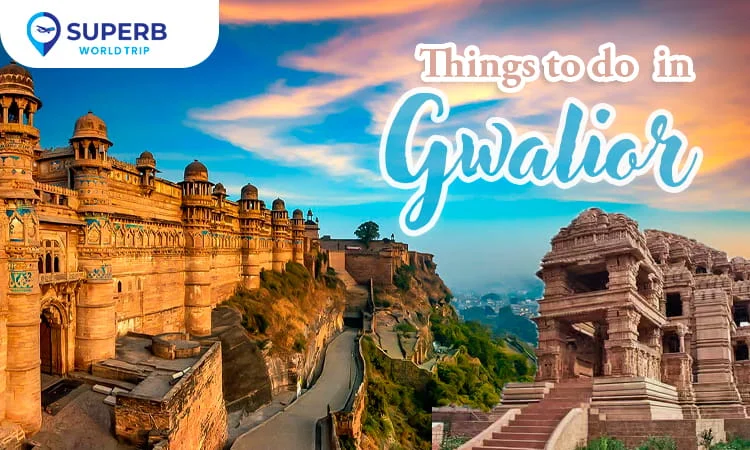
Gwalior is one of the oldest cities in Madhya Pradesh, where the royal legacy, old architectural styles, musical traditions, and local flavors blend beautifully.
It is famous for its stunning hilltop forts, grand palaces, rich traditional music heritage, and bustling bazaars. Gwalior offers a full journey for history buffs and culture lovers, as well as weekend tourists.
If you’re making plans for a quick trip or include Gwalior in your Madhya Pradesh itinerary, this guide will help you find the top attractions to visit in Gwalior and includes suggestions for travel, when to go, and the important places to visit.
Why Visit Gwalior?
Gwalior isn’t just about monuments. It is also about stories. Gwalior was controlled by Rajputs, Mughals, Maratha, Indians, as well as the Scindias, with each one leaving an architectural and cultural legacy.
From forts and temples that date back to the past to bustling market days and festivals, Gwalior is a wonderful blend of culture and tradition.
Top Things to Do in Gwalior
1. Visit the Majestic Gwalior Fort
Gwalior Fort is the heart and spirit of the city and is among the most magnificent forts found in India. It is situated on a high hill; this fort is atop the skyline and has amazing panoramic perspectives of Gwalior.
Within the Fort Complex You can visit:
- Man Mandir Palace, famous for its vibrant tiles and intricate carvings
- Saas Bahu Temples, known for their intricate stone architecture
- Teli Ka Mandir, a unique temple with a distinct architectural style
- Jain sculptures made of rock cut were carved into the fort’s walls
Walking through the fort is like walking back in time. The nighttime light and music show is recommended to learn about the fort’s past in a captivating manner.
Time Required: 2 to 3 hours
The best time to visit is early morning or late afternoon
2. Explore Jai Vilas Palace and Scindia Museum
Jai Vilas Palace is a breathtaking example of the royal splendor as well as European-style architecture.
It was built under Maharaja Jayajirao Scindia; the palace is still used by part of the royal family. The palace has been transformed into an art museum.
The main attraction for the palace’s visitors is Durbar Hall, which features enormous chandeliers, intricate ceilings, and furniture that is royal.
The museum also showcases antique cars, royal costumes, weapons, and personal possessions belonging to the Scindia family.
This location will give you a real sense of the way that royalty lived in the colonial period.
Great for: History enthusiasts and architecture lovers
Time Needed: 1.5-2 hours
3. Discover Ancient Art at Gujari Mahal Archaeological Museum
It is located near Gwalior Fort. Gujari Mahal was initially constructed to serve as a palace for a Rajput queen, and later transformed into an archeological museum.
The museum is home to:
- Antiquated Hindu as well as Jain sculptures
- Rare coins and inscriptions
- Artifacts that date back to the 1st century and 2nd century.
If you’re interested in more than the surface, this museum gives you an in-depth look into Central India’s long-standing past.
4. Pay Tribute at Tansen’s Tomb
Gwalior is closely connected to Tansen, who was one of the most famous musicians of the time of Indian classical music. His grave is situated in a tranquil area close to Hazira and draws music enthusiasts from all over the country.
Each year there is every year, the Tansen Music Festival is held there, which features performances by world-renowned classical musicians. Even in the absence of festival time The place is a serene, spiritual atmosphere.
The best time to visit Best Time to Visit: Morning or evening
Recommended for Cultural travellers, and cultural
5. Visit the Sun Temple
The design is based on the famous Sun Temple of Konark in Odisha. Gwalior’s Sun Temple is a modern but gorgeous structure. It is constructed of red sandstone and white marble, and it is dedicated to the Sun God.
The temple is serene and well-maintained, making it a great spot to unwind and find peace after a day of exploring the busy tourist destinations.
6. Shop at Local Markets in Gwalior
There is no way that a trip to Gwalior can be completed without a visit to the bazaars in Gwalior’s local area. These markets are vibrant, vibrant and ideal for shopping and street food sampling.
Popular Shopping Areas:
- Sarafa Bazaar is a place that is famous for its jewelry, handicrafts, and traditional goods
- Patankar Bazaar is a great place to shop for shopping, local sweets and souvenirs
You can purchase items such as Chanderi fabrics, metal craft Bangles, jewelry, and locally made accessories for your home.
7. Enjoy Local Street Food and Cuisine
Gwalior has a thriving food culture, which is influenced by Madhya Pradesh and neighboring states. Street food is easy, delicious, and affordable.
Must-Try Foods in Gwalior:
- Poha with jalebi
- Kachori and Samosa
- Bedai with Sabzi
- The Gajak, as well as local sweets
If you want to enjoy a relaxing eating experience, this city offers family-friendly restaurants and cafes offering North Indian cuisine.
8. Relax at Tigra Dam
About 20-25 kilometers from Gwalior, Tigra Dam is an excellent place for nature-lovers and families. It has lush greenery and a pristine lake, perfect for photography, picnics, and relaxing in the evening.
The dam is stunning in winter and during monsoons when the levels of water are high.
The best time to visit Best Time to Visit: Sunset hours
Ideal for: Couples, families, photography
9. Spend Time at Phool Bagh and Local Gardens
Phool Bagh is a popular garden in Gwalior that locals visit to walk in the evening and for leisure time. It’s an ideal spot to relax, particularly after a busy day.
Nearby areas are also home to fountains, statues, and open spaces that are ideal for a relaxing, casual photograph.
10. Experience Gwalior Trade Fair (Seasonal)
If you are in Gwalior during the months of October through November, do not skip the famed Gwalior trade fair. It is among the largest fairs held in Madhya Pradesh and includes:
- Handicrafts from all over India
- Food stands
- Cultural programming
- Entertainment and rides
The fair provides you with the opportunity to experience local culture and the festive spirit.
11. Take a Heritage Walk Through Old Gwalior
One of the least-known activities to do in Gwalior is to explore the city’s history on foot.
Heritage walks allow visitors to go beyond its monuments and learn about the city’s daily life, its ancient architecture, and secret stories.
In walking through the areas of old You will see:
- Lanes narrow with a few old havelis
- Traditional homes with doors carved and balconies
- Little temples as well as local shrines
- Markets from the past that continue to function exactly the way they did a few decades ago
This trip will give you an even deeper connection to the city and is a great choice for those who love the arts, photography, and a slow pace of travel.
The best time to do this is early in the morning or in the evening
Perfect for: Culture enthusiasts, historians, photographers, or history enthusiasts
12. Visitthe Saas Bahu Temples for Architectural Beauty
They are situated close to Gwalior Fort, and the Saas Bahu Temples lie near Gwalior Fort. They’re a group of ancient temples that are known for their intricate stone carvings as well as their historical significance.
Contrary to their title, these temples aren’t associated with mother-in-law and daughter-in-law stories, but rather are in honor of Lord Vishnu.
They stand out because of:
- intricate carvings on pillars and walls
- Beautiful craftsmanship dating from the 9th-10th century.
- The tranquility of the countryside away from tourist attractions
Even if you’re not particularly interested in religion, the architecture alone is enough to make this place worthwhile.
Time Needed: 30 to 45 minutes
Highly Recommended for: Architecture enthusiasts and peaceful walking tours
13. Explore Siddhachal Jain Caves and Statues
Within Gwalior Fort. Gwalior Fort complex, you can find huge Jain rock-cut sculptures that are built into the cliff walls. These statues form part of the Siddhachal Jain site and are among the most stunning sculptures of the Hindu religion located in central India.
What is it that makes this place unique?
- Massive statues made from one rock face
- A deep sense of calm and spirituality
- Great views of the city from these viewpoints.
This area isn’t as popular as other areas of the fort, which makes it the perfect spot for peaceful exploration and for photography.
The best time to visit The best time to visit is during the morning hours.
Ideal for: Spiritual travellers, Photographers
14. Attend Cultural Events and Music Performances
Gwalior is a city with a strong identity in its culture, particularly Indian traditional music. In addition to the renowned Tansen Music Festival, the city is home to smaller cultural events, including local performances and other events that are seasonal all throughout the year.
If your visit is scheduled to coincide with an event of a different kind, then you may:
- Live stream classical or folk music performances
- Celebrate local festivals and traditions
- Engage with locals and artists.
These events give you the opportunity to glimpse into Gwalior’s artistic spirit and will make your visit more unforgettable.
The best season is the winter months.
Recommended for Culture lovers, music enthusiasts, travelers, and cultural
15. Try a Local Food Walk in the Evening
Nights spent in Gwalior are the perfect time to explore the street food culture of the city. A stroll through the popular areas of the city allows you to taste authentic flavors while observing local life.
On a food tour, you’ll be able to try:
- Kachori and bedai, served with spicy Sabzi
- Snacks and chaats from vendors along the road
- Local sweets such as gajak and laddoos
Walking or eating food, as well as observing Gwalior’s city’s pace at night, is among the easiest but most enjoyable activities in Gwalior.
The most optimal time is 6:00 PM from now onwards
Perfect For: Foodies and budget-conscious travellers
Best Time to Visit Gwalior
- From October to March: The best weather for outdoor sightseeing and activities
- July to September: Rich greenery and lovely views following the monsoon.
- From April to June: Extremely hot, tourist attractions are limited to the mornings and evenings
How to Reach Gwalior
By Air
Gwalior Airport is well-connected to major Indian cities such as Delhi and Mumbai.
By Train
Gwalior Junction is a major railway station that has regular trains to Delhi, Bhopal, Jhansi, and Agra.
By Road
Gwalior is easily connected via highways that connect to Delhi, Agra, Jhans,i and Bhopal. Taxis and buses are readily accessible.
Suggested 2-Day Itinerary for Gwalior
Day 1:
- Gwalior Fort
- Gujari Mahal Museum
- Teli Ka Mandir & Saas Bahu Temples
- Light and Sound Show in the Evening.
Day 2:
- Jai Vilas Palace
- Tansen’s Tomb
- Local market shopping
- Tigra Dam or Sun Temple
Travel Tips for Gwalior
- Wear comfortable footwear for fort exploration
- Drink plenty of water, particularly during summer.
- Find a local guide to the most important historical places
- The evenings are ideal for market shopping and food walks
Final Thoughts
Gwalior is a city that is ideal for slow exploration. From magnificent forts and royal palaces to music, food, and local markets, the city provides the full experience of travel.
It doesn’t matter if you’re a historian or a lover of culture, or just planning a quick weekend getaway, Gwalior has enough attractions that will leave you amazed.
If you’re searching for a place that blends tradition, culture, and authenticity, Gwalior is a must-visit on any travel bucket list.
Frequently Asked Questions (FAQs) About Gwalior
1. What are the top activities to take part in Gwalior?
The top activities to enjoy during your time in Gwalior are to visit Gwalior Fort as well as take a tour of Jai Vilas Palace, pay tribute to Tansen’s Tomb, and shop at local markets such as Sarafa Bazaar, sample traditional street foods, or take a break at the tranquil Tigra Dam. Gwalior is a great city that offers a mixture of culture, history, and food. It also offers a variety of leisure activities.
2. Is Gwalior worth a visit?
Absolutely, Gwalior is definitely worth visiting, particularly for those fascinated by architecture, history, and Indian culture. Gwalior is home to the most recognizable forts, royal palaces, old temples, and an extensive classical music tradition, which makes it a great destination for a quick excursion into the world of culture.
3. How long is enough to spend exploring Gwalior?
Two days are enough time to see the most popular tourist attractions of Gwalior with ease. In two days, you will be able to visit Gwalior Fort, Jai Vilas Palace, Tansen’s Tomb, local markets, and locations such as Tigra Dam. If you’re looking for a slow-paced travel experience, 3 days is the best option.
4. What is the ideal time to go to Gwalior?
The ideal timing to go to Gwalior is from October through March, in the months when the weather is mild and perfect for exploring. Winter is the best time to explore landmarks, take part in cultural events, or walk through the market. The summer months can be extremely hot, whereas the monsoon provides lush greenery, but with limited outdoor comfort.
5. Is Gwalior secure for visitors?
It is true that Gwalior can be considered safe for visitors, couples, and single travelers. Like any city, it is recommended to be aware of the basics and avoid areas that are not well-lit at night, and make sure you keep yourself and your valuables safe when visiting busy markets.
6. Where are the most popular destinations to visit within Gwalior with families?
Families that visit Gwalior can take in Gwalior Fort, Jai Vilas Palace, Sun Temple, Phool Bagh, and Tigra Dam. These are places that can be enjoyed by all ages and offer an assortment of education as well as leisure and relaxation.
7. What food items from the local area should I attempt in Gwalior?
Local foods that you must try in Gwalior include jalebi and poha, as well as bedai and sabzi. sausages, kachori, and sweets from the local area, like gajak. Street food served in Gwalior is popular, inexpensive, and loved by the residents.
8. How do I get to Gwalior via Delhi?
It is possible to reach Gwalior from Delhi by train, by road, or by air. Trains offer the most efficient and cost-effective option, as they have many daily connections. By car, Gwalior is about 320 km away from Delhi and takes about 7 hours via auto or by bus.
9. Are there any great shops in Gwalior?
Absolutely, Gwalior has several good shopping spots. Sarafa Bazaar and Patankar Bazaar are popular for handicrafts, traditional products such as jewelry, textiles, and local sweets. The markets are also excellent to experience local traditions.
10. What are some of the most unusual locations to visit in Gwalior?
Some of the less well-known places to go around Gwalior are heritage walking tours through the city’s historic center, Siddhachal Jain caves, less-known temples in the vicinity of the fort, and tranquil gardens such as Phool Bagh. These spots are perfect for those who like peaceful exploration.
11. Is Gwalior ideal for a weekend excursion?
Absolutely, Gwalior is an excellent location for a weekend getaway, especially if you are coming from cities like Delhi, Agra, or Jhansi. Gwalior is a small, well-connected city with plenty of attractions to keep you entertained for a couple of days.
12. What events or festivals are well-known in Gwalior?
The most well-known event of the year in Gwalior is the Tansen Music Festival, held every year in the winter months. Gwalior Trade Fair is another significant event, with entertainment as well as food, shopping, and entertainment.
13. Is Gwalior suitable for photography?
It’s true, Gwalior is great for photography. Gwalior Fort, Jain rock-cut statues, city streets with old buildings, palaces, temples, and the sunset views of Tigra Dam offer excellent photography opportunities.
14. What should I bring for an excursion to Gwalior?
If you are planning a trip to Gwalior, take suitable walking footwear, lightweight cotton clothing suitable for the summer months, as well as warm layers for winter, sunglasses, sunscreen, and a water bottle. If you are visiting places of worship, take modest clothes.
15. Can Gwalior be covered as well as nearby locations?
Absolutely, Gwalior can be easily linked to other nearby locations such as Orchha, Jhansi, Datia, and Shivpuri in a Madhya Pradesh or Central India travel plan.
Latest Post

Best Places to Visit in Italy: 15 Amazing Destinations for Every Traveler

Best Places to Visit in Portugal: 12 Stunning Destinations You Shouldn’t Miss
Places to Visit in Panchgani: 15 Must-Visit Attractions for a Perfect Hill Station Getaway
Places to Visit in Rajahmundry: 15 Must-Visit Attractions in Andhra Pradesh’s Cultural Capital

Places to Visit in Nepal: 18 Incredible Destinations You Should Explore

Best Places to Visit in Winter in India: 18 Incredible Destinations for a Memorable Holiday

Honeymoon Places in India: 18 Most Romantic Destinations for Newly Married Couples

Best Places to Visit in India During Summer: 18 Cool Escapes for a Perfect Vacation

Places to Visit Near Somnath: 15 Amazing Attractions to Explore on Your Trip
Places to Visit Near Tirupati: 15 Amazing Places You Shouldn’t Miss
Best Time to Visit Jagannath Puri: A Complete Seasonal Travel Guide (2026)

Best Time to Visit Rameshwaram: A Complete Seasonal Travel Guide (2026)
Best Time to Visit Badrinath: Complete Seasonal Guide (2026)

Things to Do in Mauritius: Top Experiences in the Jewel of the Indian Ocean
Things to Do in Madikeri: Top Experiences in the Heart of Coorg

Things to Do in Chandigarh: Top Attractions and Experiences in The City Beautiful
Places to Visit in Hassan: Discover Karnataka’s Gateway to Hoysala Heritage

13 things to do in Cherrapunji: Top Attractions You Shouldn’t Miss
Places to Visit in Ranikhet: Discover the Queen’s Meadow of Uttarakhand